Nature
Design buildings and their living landscapes together, with equal care, so each restores the other.
The commitment
The landscape is not what is left over after the building and the parking. We design the two together, and we bring living systems into the building itself.
What the usual way assumes
That a site is a blank to be cleared. Trees come down, soil is scraped and compacted, and a strip of shrubs goes in at the end to satisfy the permit.
What we think instead
The best returns are in the trees, the soil and the water. Keep the big trees and plant the next ones. Hold rain in the ground before it reaches a creek. Make yards safe from lead where children play and food grows.
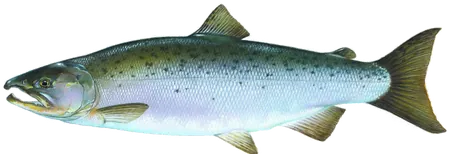
The stakes are local. Seattle’s tree canopy slipped from 28.6% of the city to 28.1% between 2016 and 2021.1 In 2025, more than half of the coho salmon returning to Longfellow Creek died before they could spawn.2 A rain garden in this city is first a device for salmon.
Growing food belongs in the work too, for the good it does people, not for the tonnage. A city lot can’t feed its residents. A garden can still change how they eat, move and feel.
What we don’t know yet
How to write a stewardship plan that works when there is no enthusiast in the building. A landscape that needs a hero will fail when the hero moves out.
Sources and notes
- City of Seattle, 2021 tree canopy assessment. ↩
- Puget Soundkeeper, 2025 salmon survey summary. The survey found 55.5% died before spawning, possibly from road runoff. ↩