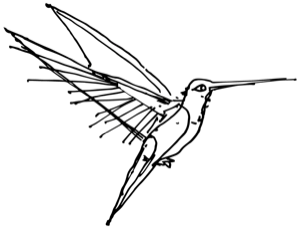
Beauty
Aesthetic excellence, ethical integrity and ecological responsibility, pursued together or not at all. The most sustainable building is the one loved enough to be kept.
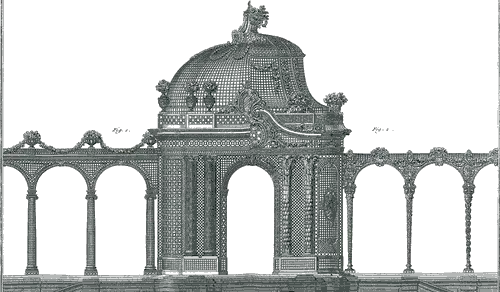

 loved enough to be kept
The commitment
Beauty is not decoration, and it is not the first line to cut from a budget. Things that are well made and good to be near are cared for, repaired and kept. That makes beauty a matter of durability.
What the usual way assumes
That beauty is a luxury. One kind of building leaves it out to protect the return: you could be standing in any city. Another kind piles it on, rich as butter and heavy cream, until the senses go numb. Both treat beauty as something you add.
What we think instead
Between the two there is architecture that is simple, affordable to build, light on the land, humble and good for the spirit. Beauty there is revealed, not applied. Three of our working rules for design:
- Practice the art of enough. Design with a disciplined hand, where nothing is lacking and nothing is wasted.
- Let materials speak their truth. Beauty appears when we stop disguising what things are made of.
- Celebrate the fleeting. Light, weather and seasons move through a building. Draw attention to them.
Beauty also has an ethical test. A fine building that costs someone their health or dignity is not beautiful to us.
What we don’t know yet
How to tell, early, whether a building will be loved. The proof takes decades: it is kept, copied and cared for. We can’t count beauty per dollar the way we count carbon, so we pursue it inside every project and watch what people do with the result.