
What the machines will have read
AI is learning to design buildings from the written record of how we already build. That record is nearly silent on reuse, repair and long life. A small firm can help fix that.



Most talk about AI in architecture is about tools: which program draws fastest, which one writes the specification. We think that is the smaller question. The larger one is what those tools have read.
A lopsided library
An AI system learns from what has been written down. In building, a great deal has been written about the usual way of doing things: standard details, product sheets, code commentary, cost guides. All of it describes an industry that extracts, builds, uses and throws away.
Almost nothing has been written, with real measurements, about the other way. How much of a hundred-year-old house can be reused? What does it cost to design a wall so it can be taken apart? How does a building made to last perform in its twentieth year? The evidence is thin, scattered and mostly unpublished.
So, when a designer asks a machine for help, the machine answers from the lopsided library. It is not biased against better building. It has simply never read about it.
The machine is not biased against better building. It has simply never read about it.
What a small firm can add
We can’t out-spend anyone on software. But we are in an unusual position. We develop, design, build, own and operate the same buildings, and one day we will alter them or take them apart. We see the whole life of a building, which few firms do.
That lets us write down what is missing: what was reused and what it cost, what we expected and what we measured, what failed. Our plan is to publish it openly, in plain files that people and machines can both read, under a license that keeps it open.
It is slow work, and it will probably never pay for itself directly. The test we have set is simple. In five years, has anyone copied anything?
Two dangers we are watching
People using AI to extract. Software can already set rents and screen tenants in ways nobody can explain or appeal. We own rental homes. We think the rules for the people who live in them should be written by people, and be explainable to the person they affect.
Systems that optimize people out. A tool told to cut cost will cut whatever is not measured: daylight, craft, a place to sit. The defense is to measure those things too, and to keep building and checking, so the record holds more than cost.
How this site uses AI
We use AI on this site, including for the first draft of this essay and for gathering each week’s Gleanings. Three rules keep that honest:
- A named person stands behind every piece. Nothing is published until someone has read it, corrected it and approved it.
- Sources are linked, so you can check us.
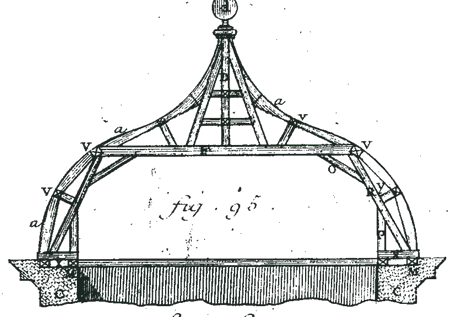
- No generated pictures. Every image here is cut from a real plate, photograph or drawing, credited by name.
Generating is not thinking. The machines are good second readers. They are not the author.
Drafted with AI assistance from the studio's working papers, then read, corrected and approved by Keith Cash, co-founder. Found a mistake? Tell us.